
Brazilian Jiu-Jitsu, Movement & Understanding
Simplex Motus™: a Brazilian Jiu-Jitsu learning philosophy
A Brazilian Jiu-Jitsu learning system built around simple movement, better decisions, positional understanding, and principles that continue to work under resistance.
Explore the principles, articles, books, podcast, training, and coaching ideas designed to help practitioners understand not only what to do, but why it works.
24
Books
67
Articles
59
Podcast Episodes
12
Principles
What Is Simplex Motus?
Simple movement. Deep understanding.
Simplex Motus means "simple movement." It is a way of studying Brazilian Jiu-Jitsu through principles, mechanics, decision-making, and live problem-solving rather than treating techniques as isolated answers. The same ideas run through the Simplex Motus books, articles, podcast, training, coaching, and educational projects.
Step 01
Understand the position.
Step 02
Recognize the problem.
Step 03
Choose a useful action.
Step 04
Adapt when the situation changes.
Start Here
Where Do You Want to Start?
I'm New to Jiu-Jitsu
Start with fundamentals, positional understanding, movement, safety, and the principles that make techniques easier to understand.
Start With FundamentalsI Already Train
Connect techniques into a more coherent game through mechanics, position, pressure, decision-making, and adaptation.
Explore the PrinciplesI'm a Coach
Explore teaching methodology, constraints-led training, student development, class structure, and coaching principles.
Explore Coaching IdeasI Want to Train
Train Brazilian Jiu-Jitsu through Simplex Motus instruction and the Family Garage Jiu-Jitsu community in Modesto.
View ClassesI Want to Read
Explore Simplex Motus books and long-form writing on Jiu-Jitsu, movement, coaching, mindset, and learning.
Explore the BooksThe Method
Principles Before Techniques
Techniques change with position, opponent, timing, and context. Principles help make sense of those changes.
Principle 01
Structure before technique
Posture, alignment, and frames are the vocabulary movement is written in.
Principle 02
Position before submission
The finish is downstream of the fight for space, angle, and control.
Principle 03
Understanding before memorization
A memorized sequence collapses the first time an opponent refuses to cooperate.
Principle 04
Simplicity before complexity
The best move is the simplest one that works.
Principle 05
Efficiency before force
Skill is solving the same problem with less strength every year you train.
Principle 06
Timing before speed
Speed without timing is noise. Timing is what pressure is made of.
Position Roadmap
Where Does This Position Go Next?
A beginner-friendly map of the positions across both volumes: what usually happens next, how Gi and No-Gi differ, and what it means for you.
Closed Guard
Bottom player has both legs locked around the top player's torso, limiting posture and mobility.
Side Control
Top player pins across the chest from the side with the legs cleared.
Half Guard
Bottom player traps one of the top player's legs. It sits between guard and a completed pass.
Knee on Belly
Top player controls from the side with a knee or shin across the torso while staying mobile.
Mount
Top player sits astride the torso. Mount scores 4 points under IBJJF rules.
Turtle
Bottom player is on knees and elbows or hands with the back facing the top player.
Back Control
Top player controls from behind with chest-to-back connection and hooks or equivalent control.
Open Guard
Bottom player controls distance with legs and grips without locking closed guard, including DLR, RDLR, spider, lasso, and single-leg X.
Butterfly Guard
Bottom player is seated with inside hooks under the top player's thighs, usually with upper-body connection.
North-South
Top player pins from above the head, chest to chest, facing the bottom player's legs. It is part of the side-control family.
Standing / Neutral
Both athletes are on their feet. There is no top or bottom yet, so the roles are Scorer, Defender, and Neutral.
Front Headlock
Controller holds the head, often with an arm, while the defender is bent over or turtled. It sits between standing, turtle, and the back.
Leg Entanglement / Ashi Garami
The legs are connected in a control system such as ashi garami, outside ashi, saddle/411, or 50-50. Top and bottom labels do not apply.
The Decision Loop
Recognition → Control → Position → Execution
Every exchange runs through the same order. Skip a step and the finish is a gamble instead of a consequence.
The Mechanical Alphabet
Push • Pull • Lever • Twist • Squeeze
Thousands of techniques are built from a handful of mechanical actions. Learn the alphabet and the techniques read themselves.
Latest Writing
View All ArticlesOctober 2026 · Philosophy & Growth
The Art Isn't Alive. The People Are.
Jiu-jitsu has never taught a single class. Every technique you know, every habit on the mat, every unwritten rule reached you through a person. For a little while, you are one of the people carrying it.
October 2026 · Fundamentals
Protect, Make Space, Recover: The Order Behind Effective Defense in Brazilian Jiu-Jitsu
Most failed escapes in jiu-jitsu are not failures of effort. They are failures of order. Protect what is vulnerable, make space you can use, and recover a position that holds. Sometimes recovery is the victory.
October 2026 · Mechanics & Movement
The B.H.M. Triangle: Base, Hold, and Move in Brazilian Jiu-Jitsu
Every grappler wants maximum stability, control, and mobility. Under real resistance you rarely get all three at full strength. The B.H.M. Triangle asks a better question: what does this moment require, and what are you trading to get it?
Library
Books by Simplex Motus
Go deeper into the principles, decisions, mechanics, mindset, coaching, and philosophy behind the work.
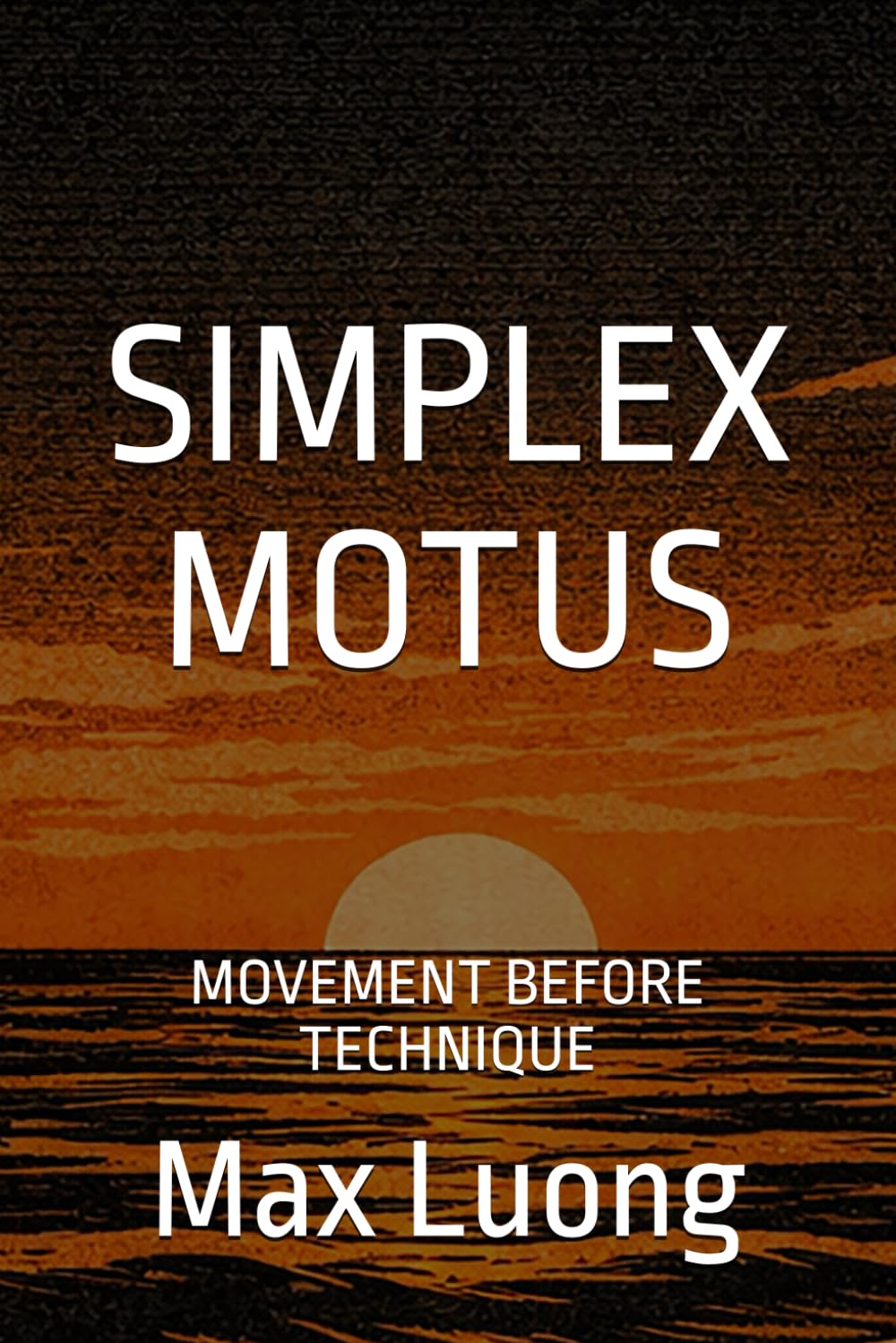
Simplex Motus: Movement Before Technique
View on Amazon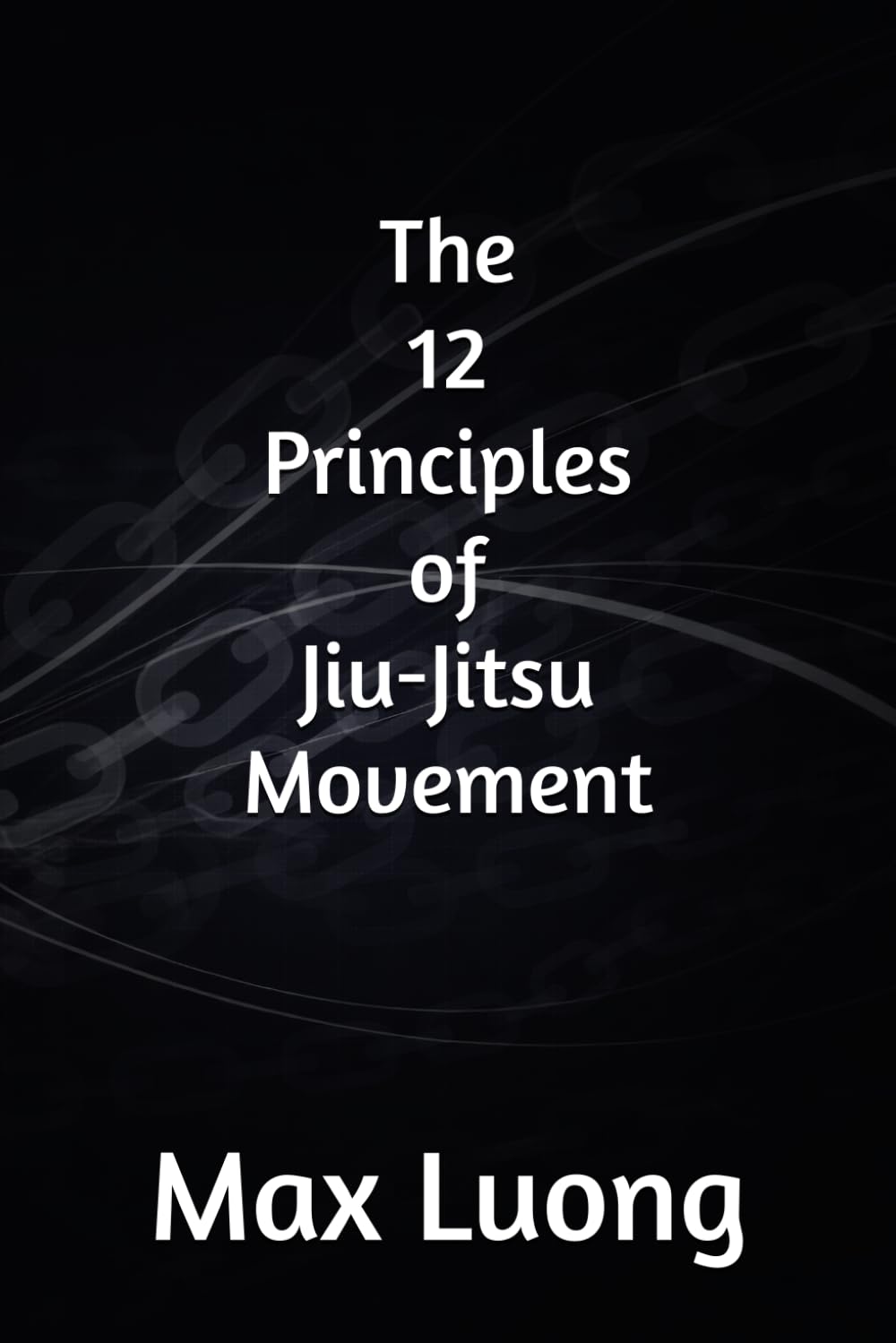
The 12 Principles of Jiu-Jitsu Movement
View on Amazon
The Art of BJJ Warfare
View on Amazon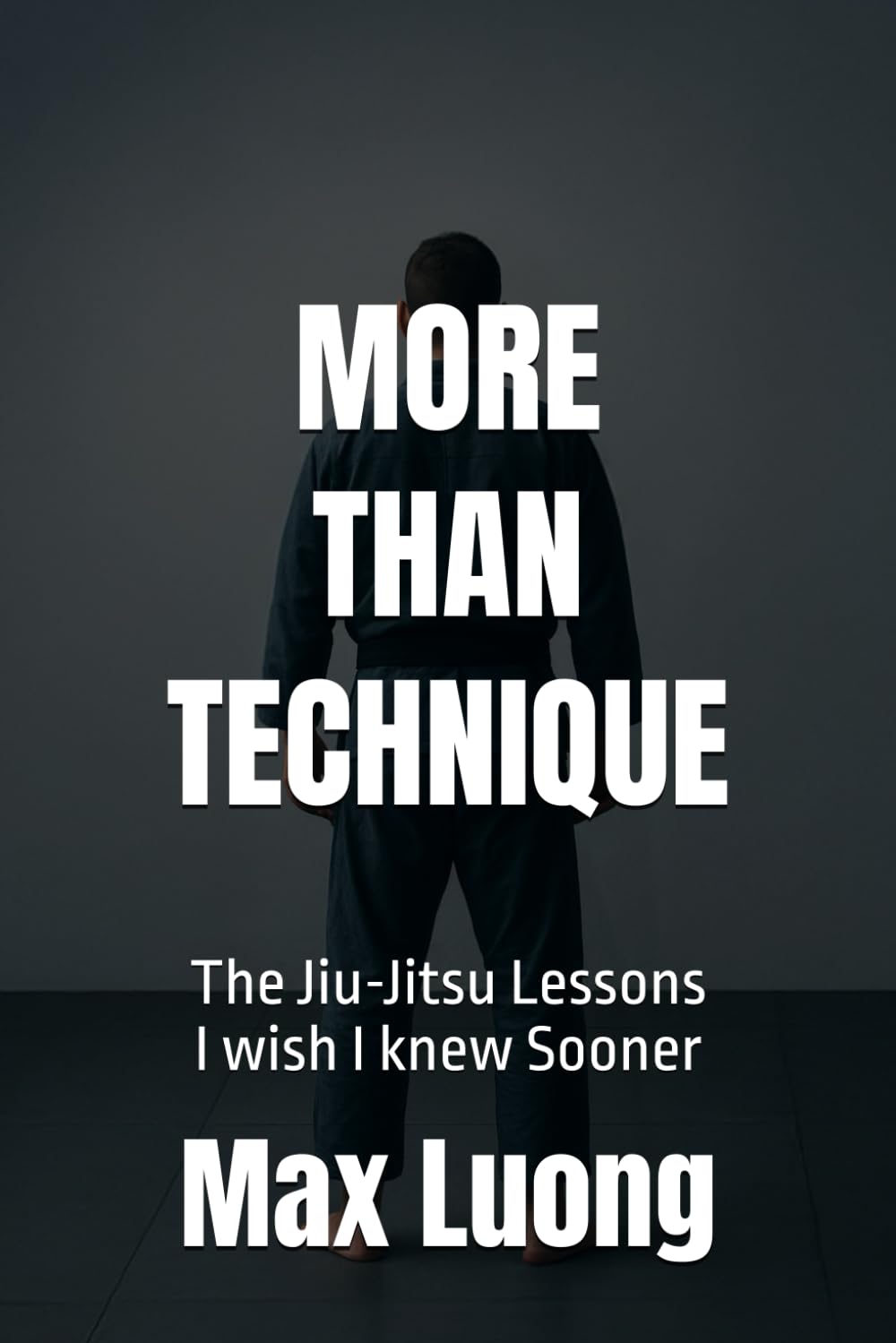
More Than Technique
View on Amazon
Podcast
Listen to Simplex Motus
Sep 24, 2026 · 17:50
Same Mat, Different Clock
Two people can start Jiu-Jitsu on the same day and end up in very different places years later. In this episode, Simplex Motus looks at why progress is shaped by more than effort alone. Training time, injuries, age, experience, pressure, recovery, and learning speed all affect the journey. Instead of asking whether you are keeping up with someone else, ask a better question. Are you better than the version of yourself who walked in before?
Listen on SpotifySep 17, 2026 · 18:24
FEAR, ARROGANCE, OR CALM
Fear, arrogance, and calm can all shape the way we respond under pressure. In this episode, Simplex Motus looks at how fear can make us react too quickly, how arrogance can make us stop paying attention, and why calm gives us the best chance to make a good decision. The goal is not to eliminate fear or confidence. It is to stay aware enough to understand what is happening and respond with control.
Listen on SpotifySep 10, 2026 · 16:08
No Martial Art Is Complete
No martial art has every answer. In this episode, Simplex Motus looks at why different martial arts developed different strengths, what happens when we mistake expertise in one area for complete knowledge, and why cross-training and curiosity matter. You can respect your art, train it deeply, and still recognize that there is more to learn. The goal is not to master every style. It is to stay humble enough to understand where your own knowledge ends.
Listen on Spotify
Training
Train With Simplex Motus
Simplex Motus principles are not only written about. They are tested and taught on the mat. Regular Brazilian Jiu-Jitsu instruction is currently taught through the Family Garage Jiu-Jitsu training community in Modesto, California.
- Fundamentals for new practitioners
- Small-group instruction
- Competition training
- Private instruction
Seminar, workshop, and guest-instruction inquiries are welcome. Host a seminar.
Ecosystem
Simplex Motus Projects
Built from the same focus on learning, movement, reflection, and practical understanding.
Daily Motus
A daily companion of short prompts and reflections that keeps practice a habit.
Visit Daily MotusCLA Game Lab
Constraints-led games and task design for coaches building better training.
Visit CLA Game LabMemotus
Memory and recall tools for studying what you learn instead of forgetting it.
Visit Memotus
Behind Simplex Motus
Max Luong
Simplex Motus is the work of Max Luong, a Brazilian Jiu-Jitsu brown belt, instructor, and author of more than twenty books on grappling, coaching philosophy, and personal development. What started as a set of teaching principles grew into a full publishing and education platform grounded in one idea: understanding over memorization.
Learn the principle. Adapt the movement.
Start with the introduction, then follow whichever path fits your training.